Greek vs Greek-Style Yoghurt: Understanding the Ingredients - Lactose & Digestion Explained

Confused by Greek and Greek-style yoghurt? Learn the real difference, why Greek yoghurt contains less lactose and which is easier to digest in January.

January arrives with the very best intentions.Fresh starts. Clear heads. A desire to feel lighter, steadier, more ourselves again.
And yet this is the month I hear from so many of you“I’m eating really well — but I don’t actually feel any better.” If that’s you, let me say this gently and clearly: this isn’t your fault.
Before we go any further, I want to be very clear about something. I hate the idea of good and bad foods. We shouldn’t be demonising food groups and yes, I’m absolutely biased when it comes to potatoes. My heart sinks every time I hear someone talking about cutting out carbs as if they’re the problem.
The issue isn’t individual foods.It’s what has been done to them.
In January especially, supermarket shelves are packed with foods that look healthy. Clever packaging. Reassuring language. Just enough virtue to make you feel you’re doing the right thing.
But if you delve a little deeper you will discover that many of these foods are ultra-processed. They’re not supporting your body in the way they promised.
Over the next few weeks, I’m going to write about some of the most common January “health halo” foods. Today, I’m starting with one that catches a lot of people out.

Flavoured Protein Yoghurts & “Greek-Style” Yoghurts
High protein. Low fat. Big claims.
These yoghurts are everywhere in January and on the surface, they look like an obvious healthy choice. But many are full of sweeteners, gums and stabilisers that can leave people bloated, hungry again quickly, or feeling oddly unsettled.
And yes — “high protein” marketing is another thing that winds me up. But that’s a conversation for another day.
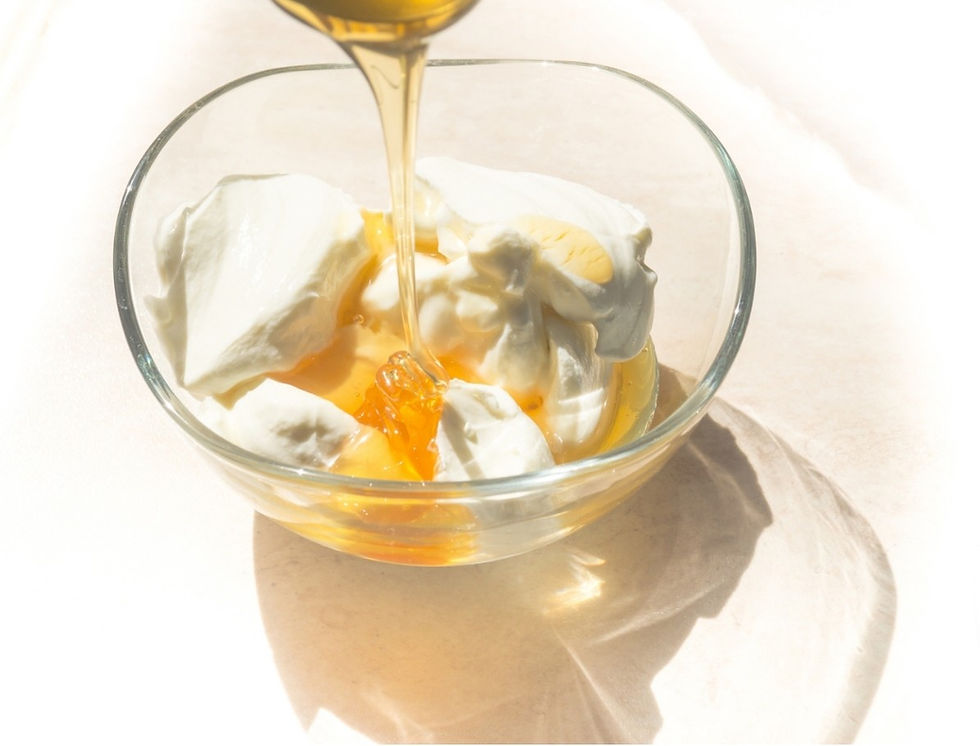
Instead of reaching for a flavoured yoghurt have plain a few spoons of full-fat Greek yoghurt. Add your own fruit, a drizzle of honey, or fruit compote.
It’s simpler, more satisfying, and far easier on digestion.
Greek yoghurt vs “Greek-style” yoghurt — why the difference matters

This is one of those quiet label tricks that catches a lot of people out — especially in January, when yoghurt suddenly becomes a health staple.
Greek yoghurt
What it is: Traditional yoghurt that’s been strained after fermentation to remove excess whey.
Ingredients: Milk & Live cultures - That’s it.
How it’s made: Fermented & then strained — making it thicker, creamier and naturally higher in protein
What that means for you:
Naturally thick (no additives needed)
More satisfying
Often gentler on digestion
Short, recognisable ingredient list
Does Greek yoghurt contain less lactose?
Yes — Greek yoghurt usually contains less lactose than regular yoghurt, and there are two very practical reasons for this.
It’s strained
After fermentation, Greek yoghurt is strained to remove whey. Whey contains a large proportion of the lactose (milk sugar), so when it’s removed, much of the lactose goes with it.
Fermentation reduces lactose
All yoghurt contains live cultures. These bacteria feed on lactose and convert it into lactic acid. So yoghurt already contains less lactose than milk — and Greek yoghurt goes a step further because it’s fermented and then strained.
That double step is why many people tolerate it better.
What about “Greek-style” yoghurt?

This is where people often feel confused.
Because Greek-style yoghurt isn’t strained, it:
Retains more whey
Retains more lactose
Is often thickened with starches or milk proteins instead
So even though it looks similar, it can:
Sit heavier
Cause bloating
Leave you feeling less satisfied
Is Greek yoghurt lactose-free?
No — it still contains lactose, just less of it.
If someone is severely lactose intolerant, even Greek yoghurt may cause symptoms
If someone is mildly lactose sensitive, Greek yoghurt is often well tolerated
That’s why you’ll often hear people say: “I can eat Greek yoghurt, but not milk.”
A gentle tip
If you’re unsure how you’ll react:
Start with a small portion
Choose plain, full-fat Greek yoghurt
Avoid flavoured versions (added sugars can complicate digestion)
Your body usually gives very clear feedback

So what is “Greek-style” yoghurt?
It’s a yoghurt made to imitate the thickness of Greek yoghurt — without straining.
Ingredients often include:
Milk
Live cultures
Plus thickeners or stabilisers such as modified starch, gelatine, pectin or milk proteins
How it’s made:
Fermented
Then thickened artificially
What that means for you:
Cheaper to produce
Longer ingredient list
Less filling, despite looking similar
Can feel gluey or bloating for some people

Why the wording matters
“Greek-style” isn’t a protected term. It doesn’t mean bad — but it does mean different.
The thickness isn’t coming from time and technique.It’s coming from additives.
And this is often where people think:“I’m eating yoghurt — why doesn’t it feel good?”
This is usually why.
A simple rule of thumb in the shop
Greek yoghurt:
✔ Short ingredient list
✔ Naturally thick
Greek-style yoghurt:
✖ Longer ingredient list
✖ Added thickeners
If the ingredient list reads like a sentence — put it back.
Which should you choose?
If you’re:
Trying to reduce ultra-processed foods
Feeling bloated or unsatisfied after breakfast
Wanting food that actually fills you up
Choose real Greek yoghurt, even if it costs a little more. You’ll usually eat less of it — and feel better for it.

The bigger picture
This isn’t about being “good” or “bad” with food.
It’s about recognising that two products that look almost identical can behave very differently in your body.
And once you understand that, shopping and eating becomes much calmer.
✨ Order homemade seasonal meals for your holiday let, freezer or cosy winter table
✨ Book a Thermomix demo to discover stress-free seasonal cooking
✨ Browse my cookbooks — My Spring Kitchen and My Kitchen Feasts
✨ Sign up for my newsletter for your new Seasonal Eating Guide and fresh recipes
✨ Follow along on Instagram, Pinterest, LinkedIn, & Facebook for weekly seasonal inspiration.
Seasonal gourmet cooking isn’t about perfection, for me it’s about pleasure, nourishment and connection. Start small, cook with the seasons and enjoy the journey.
Happy cooking,
Meg x


Comments